
Blog, News and Articles
Managing Your Diabetic Foot Ulcer Over Christmas
As the festive period draws near, the joy of the season may be tempered by concerns about controlling your diabetic foot ulcer. At OPED UK, while we understand that this is a time for excitement and celebration, those with diabetes must prioritise foot care to avoid complications. In this article, we’ll look at some practical advice and precautions you can take to have a safe and joyful festive season while managing your diabetic foot ulcer.
Foot inspection should be prioritised:
Begin the season on the right foot by including regular foot examinations in your routine. Pay close attention to your diabetic foot ulcer for any signs of redness, swelling, or sores. Early detection is critical for minimising complications.
Pick Comfortable Footwear:
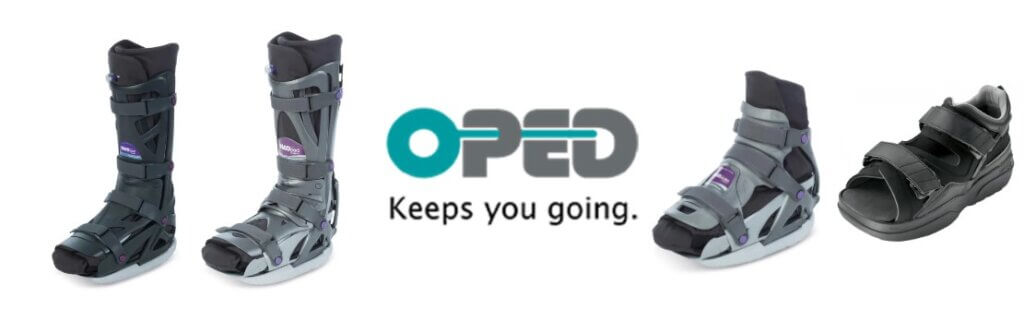
To reduce friction and pressure on your feet, choose shoes that are comfortable and well-fitting. Remember that ill-fitting shoes can worsen foot ulcers, so choose shoes that give adequate support and do not rub against sensitive regions. If you do not have sufficient footwear, we would recommend looking into our diabetic range; VACOcast diabetic, or VACOpedes diabetic it is in your best interests to remain mindful of your diabetic foot ulcer over the festive period. This will ensure that your ulcer continues healing with gold standard treatment, whilst you are enjoying the Christmas season. Be sure to pair one of our diabetic boots with an EVENup to help with hip hitching and back pain.
Mindful Movement:
Keep your movements in check, especially at crowded and noisy Christmas events. Avoid walking barefoot and be wary of uneven surfaces that could cause harm. Take your time and put safety ahead of speed.
Maintain Your Blood Sugar Levels and Stay Hydrated:
The festive season is frequently associated with decadent food and pastries. While it’s fine to indulge in holiday delicacies, keep an eye on your blood sugar levels. To keep your diabetes under control, stay hydrated and eat a well-balanced diet.
Schedule regular breaks:
Plan regular breaks to give your feet a rest if you’re attending events that require extended durations of standing or walking. Find a comfortable seat, elevate your feet, and give yourself time to rest.
Bring Your Medicines and a First Aid Kit:
Check that you have all of your medications, and consider carrying a small first aid kit with bandages and antiseptic ointment in case of minor accidents. Being prepared might help you resolve any difficulties as soon as possible.
Communicate Your Needs:
Don’t be afraid to express what you need to friends and family. Inform them of your diabetic foot ulcer and any measures you are taking. This allows them to provide assistance and make adjustments that contribute to a safer atmosphere for you.
Responsible Celebration:
Enjoy the festivities responsibly by limiting your alcohol intake. Moderation is essential when it comes to alcohol and blood sugar levels. If you indulge, do so in moderation and look into lower-sugar beverage options.
Managing a diabetic foot ulcer during the festive period requires a combination of proactive treatment, knowledge, and communication. You can enjoy the Christmas and New Year while protecting and prioritising your health, by taking the appropriate safeguards. Remember that the best gift you can give yourself this Christmas is your health. If you would like gold standard treatment for your diabetic foot ulcer to be able to relax more into the festivities, be sure to look into our VACOcast diabetic boot, which offers cast-like stability and offloading for your diabetic foot ulcer. If you want something more inconspicuous when around more people at this time of year we have an ankle high device, the VACOpedes diabetic boot and the VACOpaso free diabetic shoe. Our diabetic range is to suit your needs for your diabetic foot ulcer, to help you regain confidence and health.
How To Heal A Foot Ulcer: The Benefits of Offloading for the Diabetic Foot
At OPED UK, we understand that for individuals living with diabetes, foot health is of paramount importance. Diabetes can cause a range of complications, and one of the most concerning is diabetic foot ulcers. These open sores can lead to severe infections, gangrene, and even amputations if not managed properly. In the battle against these complications, offloading is a valuable weapon. In this article, we will delve into the benefits of offloading for the diabetic foot and why it is a critical aspect of foot care.
Understanding Diabetic Foot Ulcers
Diabetic foot ulcers are a common and often serious issue for people with diabetes. They usually develop due to a combination of factors, including neuropathy (nerve damage) and poor circulation. Neuropathy can lead to a lack of sensation in the feet, making it difficult to detect injuries, while poor circulation impedes the body’s ability to heal wounds, making it challenging for ulcers to close.
What Is Offloading?
Offloading, in the context of diabetic foot ulcers, involves the reduction of pressure on the affected area of the foot. The primary goal is to minimise weight and friction on the ulcer to facilitate healing and reduce the risk of infection. Offloading can be achieved through various methods, including specialised footwear such as the VACOpaso free shoe, the VACOcast diabetic boot, casts, braces, and orthotic insoles.
The Benefits of Offloading
Faster Healing: Accelerating wound healing is one of the main advantages of offloading. The body has a higher opportunity of mending the harmed tissue by relieving pressure on the ulcer, speeding up recovery.
Reduced Infection Risk: Diabetes-related foot ulcers are extremely prone to infection, which can be fatal. Offloading properly not only delays the onset of new ulcers but also lowers the chance of infection in already existing ones. Offloading is essential in preventing complications because it keeps the wound clean and protected.
Reduce Recurrence: Recurrent ulcers are a typical problem in the treatment of diabetic feet. By reducing excessive pressure on the afflicted region, offloading aids in addressing the underlying cause of ulcers. Thus, there is a lower chance of ulcers returning in the same location.
Better Comfort and Mobility: Offloading devices are made to be comfortable and supportive. They greatly enhance the quality of life for people with diabetic foot ulcers by making walking and everyday activities more pleasant and removing pressure on the ulcer. Whilst wearing any boot such as the VACOcast diabetic, it can be paired with an elevation shoe like the EVENup on the opposite foot to help with balance and mobility.
Cost-Effective: Offloading devices and treatments may cost more up front, but they end up being more affordable in the long run. Rather than buying orthopaedic shoes over and over again that do not offer sufficient offloading, opt for a gold standard offloading boot that will last significantly longer.
Continuing Success
Keeping an eye on your ulcer’s development is crucial. Monitor the healing of your ulcer, your general level of mobility, and any possible complications. Scheduling follow-up visits with your healthcare provider on a regular basis is essential.
Conclusion
Offloading is incredibly beneficial for diabetic feet in many ways. Using a VACOcast diabetic boot to relieve pressure on ulcers speeds up the healing process, lowers the risk of infection, and stops recurrence. Moreover, it improves the general quality of life, comfort, and mobility of those with diabetes. Whilst wearing any boot such as the VACOcast diabetic, it can be paired with an elevation shoe like the EVENup on the opposite foot to help with balance and mobility.
Consider speaking with a medical expert who specialises in diabetic foot care if you or someone you know is experiencing diabetic foot ulcers. A good recovery and the maintenance of mobility and health may depend on effective offloading and appropriate wound care, from a device like VACOcast diabetic. Offloading is a vital ally in the continuous fight against diabetic foot issues.
How Do I Know If I Have Ruptured My Achilles Tendon?
At OPED UK we understand that Achilles tendon injuries, specifically ruptures, can be painful and debilitating. The Achilles tendon, which joins the calf muscles to the heel bone, is the biggest and strongest tendon in the human body. A rupture in this tendon can have serious consequences, but how can you tell if you’ve experienced this injury? In this article, we’ll explore the signs and symptoms of an Achilles tendon rupture to help you recognize the injury.
Understanding the Achilles Tendon
Before delving into the signs of a rupture, it’s essential to understand the role and function of the Achilles tendon. This thick, cord-like structure is crucial for walking, running, and jumping. It is responsible for the movement of the foot, allowing you to push off the ground and lift your heel when you walk or engage in physical activities.
Common Causes of Achilles Tendon Ruptures
Achilles tendon ruptures typically result from overstretching or tearing of the tendon fibres. Some common causes of Achilles tendon ruptures include:
Sudden and Forceful Movements: Rapid movements, such as jumping or pivoting, can put immense stress on the Achilles tendon, potentially leading to a rupture.
Ageing: The tendon naturally weakens and becomes more prone to injury as we age.
Lack of Conditioning: Insufficient conditioning of the calf muscles and Achilles tendon can increase the risk of rupture, especially among athletes.
Previous Tendon Injuries: Individuals with a history of Achilles tendon problems may be more susceptible to ruptures.
Signs and Symptoms of an Achilles Tendon Rupture
Sharp Pain: One of the most significant indicators of an Achilles tendon rupture is a sudden and severe pain in the back of the lower leg or just above the heel. Many people describe it as a stabbing or popping sensation.
Swelling: Swelling can occur at the site of the rupture or extend further up the calf muscle. The affected area may become noticeably swollen and tender to the touch.
Difficulty Walking: Individuals with an Achilles tendon rupture often have difficulty walking or standing on their toes. They may experience weakness and instability in the affected leg.
Audible “Pop” or “Snap”: Some individuals report hearing an audible “pop” or “snap” at the time of the injury, which is often followed by intense pain.
Inability to Push Off the Foot: The ability to push off the ground with the injured foot is significantly impaired. This is a critical diagnostic sign, as it distinguishes a rupture from other types of Achilles tendon injuries.
Visible Gap or Dent: In some cases, there may be a visible gap or dent in the Achilles tendon just above the heel, indicating a severe rupture.
Seeking Medical Attention
If you suspect that you’ve ruptured your Achilles tendon based on the symptoms mentioned above, it’s crucial to seek immediate medical attention. A clinician will conduct a physical examination, to assess the condition of the tendon. In some cases, an ultrasound may be ordered to confirm the diagnosis.
Treatment Options
The treatment approach for Achilles tendon ruptures may vary depending on the extent of the injury, your activity level, and other factors. Common treatment options include:
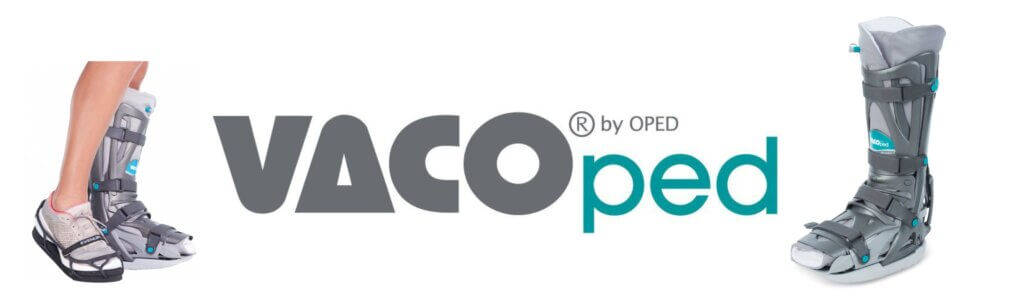
Non-surgical Treatment: Most partial ruptures and complete ruptures can be treated with a cast, and the VACOped to immobilise the foot and allow the tendon to heal naturally. We recommend the VACOped, a gold standard treatment, specifically designed for an Achilles rupture or tear. Physical therapy is often a part of this treatment plan and the VACOped aids in early rehabilitation to ensure you get back to the same health as you were in before, it has the comparable outcomes as surgical intervention for Achilles ruptures. Whilst wearing any boot such as the VACOped, it can be paired with an elevation shoe like the EVENup on the opposite foot to help with balance and mobility as well as crutches.
Surgical Repair: In some cases where the surgeon feels it is better to reattach the tendon surgically, surgery may be performed. During surgery, the torn tendon ends are reattached.
Rehabilitation: Regardless of the treatment method, physical therapy and rehabilitation are essential for regaining strength and mobility in the affected leg.
Conclusion
Achilles tendon ruptures can be painful and debilitating, but early recognition and prompt medical intervention with a boot like the VACOped can lead to successful recovery. If you experience symptoms like sharp pain, swelling, and difficulty walking in the area around your Achilles tendon, don’t hesitate to consult a healthcare professional for a proper diagnosis and treatment plan. Effective management of the injury can help you return to your normal activities and prevent long-term complications.
OPED UK: Empowering Mobility, Enhancing Lives
In an increasingly mobile world, the ability to move freely and comfortably is a fundamental aspect of a person’s quality of life. This is especially true for individuals who have experienced limb loss or mobility challenges. OPED UK is an organisation dedicated to improving the lives of such individuals through innovative orthopaedic solutions, to help with your diabetic foot, Achilles tendon rupture or foot fractures.
The Mission of OPED UK
OPED UK is a subsidiary of the OPED Group, a worldwide organisation dedicated to offering high-quality orthopaedic solutions that improve mobility, independence, and comfort. OPED UK’s aim is simple but profound: to empower individuals by providing innovative, practical, and user-friendly orthopaedic solutions that allow them to restore mobility and their lives.
Products and Solutions
OPED UK offers a wide range of products and solutions designed to address the unique needs of individuals with lower limb injuries and diabetic foot ulcers and Charcot. These include:
- VACOped
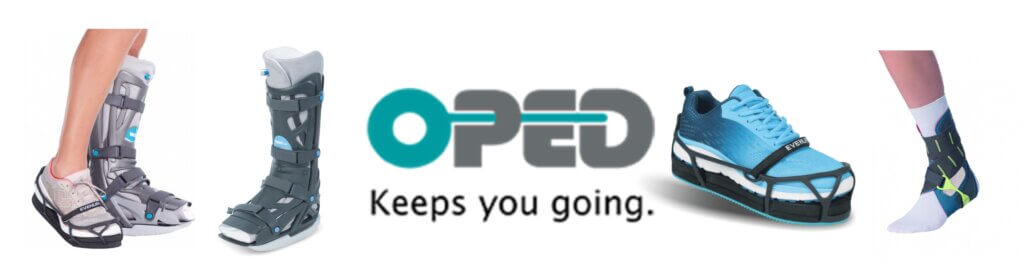
The VACOped to treat ruptured Achilles tendons. The range-of-motion bar on the back of the boot allows for early rehab of the tendon to strengthen it and get you up and back to normal faster. The movement after being in place for two weeks is a good thing, the tendon needs movement to recover properly. The VACOped is the best device for your ruptured Achilles tendon.
- VACOcast Diabetic
The VACOcast Diabetic is a boot that can replace a lower limb cast, you can keep the boot on and know it can be removable to check your skin and wounds. It has technology inside that is comparable to a cast, the boot will heal your ulcers provided you stay off of your feet as much as possible.
- EVENup & Crutches
OPED UK provides a selection of mobility aids, including crutches and the EVENup, it is a brilliant elevation shoe, the EVENup is designed to help the imbalance you may feel when in a boot. It is designed to stretch over a thick soled shoe. It can help you feel more comfortable whilst recovering and allows you to continue to do the things you love, helping with hip hitching, which can result in hip and back pain.
- SUPROcast
SUPROcast is a lightweight pneumatic walking boot used for treating tarsal, metatarsal fractures and ankle fractures. If you feel as though you have had a minor injury go and see a healthcare professional, if they put you in a boot without aircells, you can purchase the SUPROcast for more stability.
- VACOpaso Free
At OPED UK we have a VACOpaso Free diabetic shoe, which aids in healing diabetic foot ulcers and can prevent them from reoccurring. Once your ulcer has healed, you can move to the VACOpaso free and it will continue to protect your skin.
- VACOtalus
We also offer the VACOtalus an ankle brace, which provides stability of the ankle region. It creates effective stabilisation against ankle sprains. This is great for you, if you’re active or have ankle niggles and you feel you need extra support during physical activities.
The Impact on Lives
OPED UK’s products have an influence that extends beyond physical well-being. They enable people to live richer, more independent lives by improving mobility and comfort. Whether it’s a VACOped that heals a ruptured Achilles with excellent results, a VACOcast diabetic that heals your foot ulcer in a matter of weeks; a VACOtalus that gives you confidence and more stability during your activities, or a supportive elevation shoe like the EVENup that alleviates instability while wearing a boot and helps with hip and back pain. OPED UK’s solutions significantly contribute to an individual’s overall quality of life.
Conclusion
The dedication of OPED UK empowering mobility and improving lives demonstrates the positive impact that a devoted organisation can have. We give a lifeline for those who have suffered an injury such as a torn Achilles tendon or are risking limb loss due to an unhealed diabetic foot ulcer by providing innovative orthopaedic treatments adapted to individual needs.
OPED UK’s aim extends beyond products to restore people’s optimism, independence, and a sense of normalcy in their life.